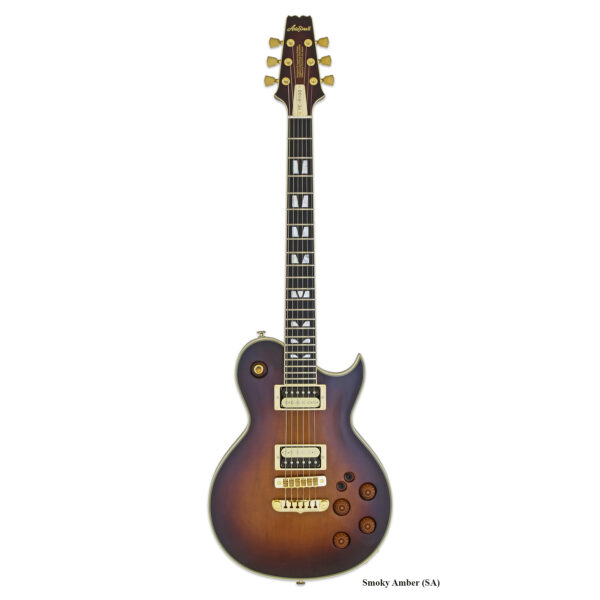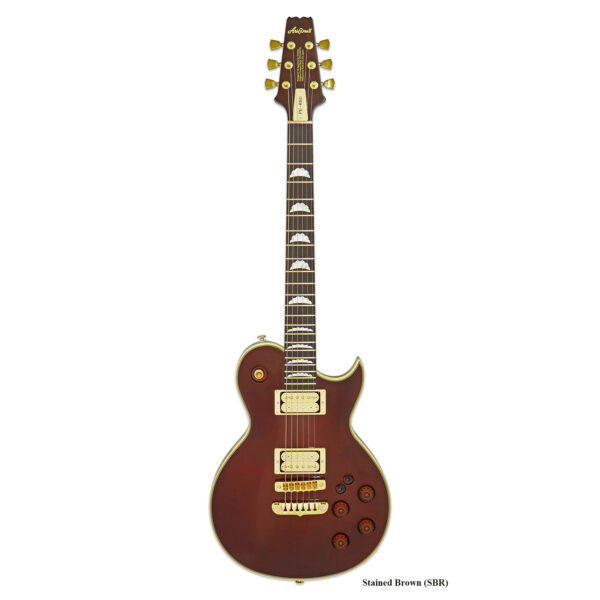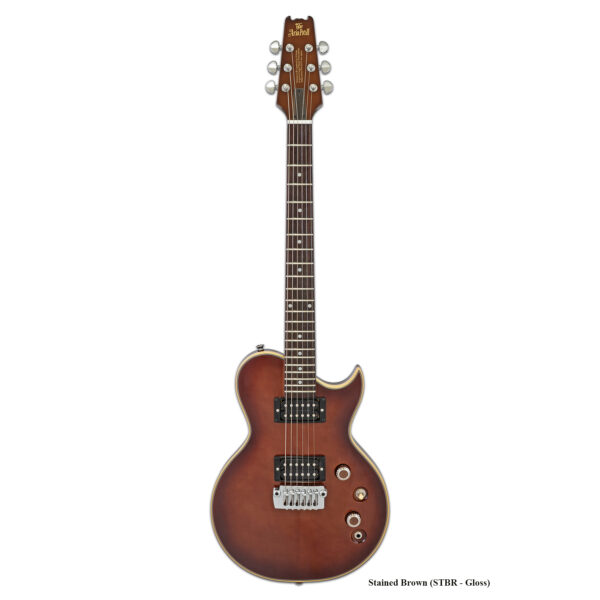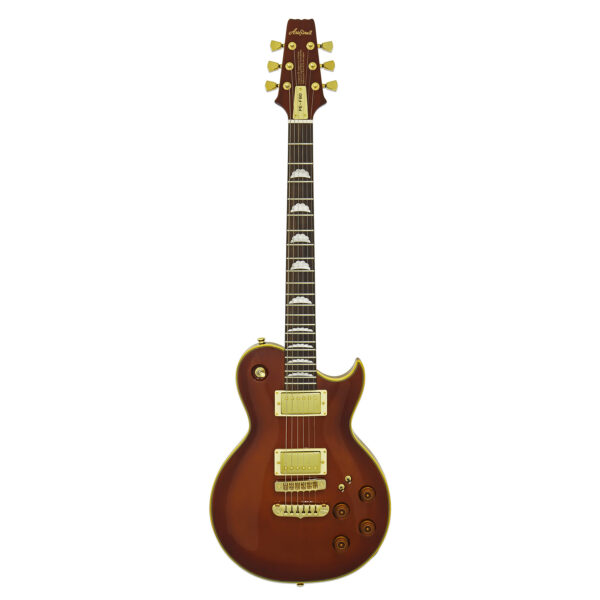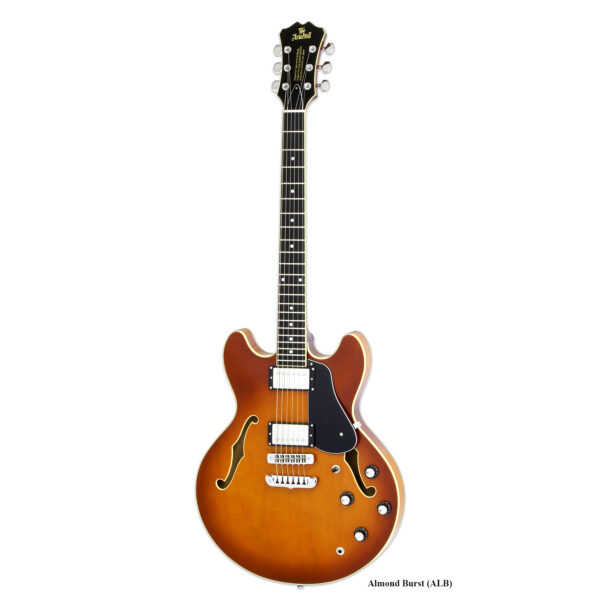
Choosing the right Aria guitar begins with understanding how and where you plan to play. A beginner learning first chords has different needs from an experienced musician looking for a particular sound, feel, or performance characteristic.
Aria offers acoustic, electric, classical, and bass instruments across a broad range of styles and configurations. The Aria Pro II name also brings a long electric guitar and bass heritage into the conversation for players exploring those instruments.
The best Aria guitar is ultimately the one that fits the musician. Experience level matters, but so do musical style, comfort, tone, construction, and the simple question of whether an instrument makes you want to keep playing it.
Start With the Type of Guitar You Want to Play
Before comparing individual models, decide which type of instrument fits the music you want to make.
An acoustic guitar can be an appealing choice for musicians who want an instrument they can simply pick up and play without amplification. Electric guitars open the door to a much broader range of amplified tones and effects. Classical guitars provide a distinctly different playing experience, while bass guitars serve an entirely different musical role.
There is no rule that says a beginner should start with one type before moving to another. If the music that inspires you is primarily electric, starting with an electric guitar can make sense. If you are drawn to acoustic songwriting or fingerstyle playing, an acoustic may be the more natural choice.
Interest is important. The guitar that encourages you to play is often a better choice than the instrument someone else believes you should learn first.
Choosing an Aria Guitar for a Beginner
For a beginning guitarist, playability should be one of the first considerations.
Learning guitar already requires the hands to develop new movements, strength, and coordination. An instrument that feels unnecessarily difficult can make that process more frustrating.
Look for an Aria guitar that feels comfortable when sitting or standing, has a neck that feels manageable in your hands, and suits the kind of music you actually want to learn.
Beginners should also avoid choosing an instrument solely because it has the most features. A straightforward guitar that feels comfortable and stays enjoyable to play can provide a better foundation than an instrument whose complexity is not yet useful.
The goal of a first guitar is not simply to own a beginner instrument. It is to find an instrument that helps turn a beginner into a musician.
Choosing an Aria Guitar for an Intermediate Player
Intermediate players usually have a clearer understanding of what they want from an instrument.
At this stage, differences in neck feel, body shape, pickups, scale length, tonewoods, hardware, and controls can become more meaningful. A player may discover that a particular guitar complements a developing style better than the instrument they started with.
This is also a good time to think about how the guitar will be used. A musician beginning to perform may place greater importance on stage reliability and tonal flexibility. Someone recording more frequently may become interested in the character of different pickup configurations or acoustic body styles.
Rather than simply buying a more expensive guitar, an intermediate player should look for an instrument that offers something musically useful that the current guitar does not.
Choosing an Aria Guitar for an Experienced or Professional Player
Experienced players tend to know that specifications tell only part of the story.
Neck response, balance, resonance, pickup behavior, construction, fretwork, and the way an instrument responds dynamically can become more important as technique develops. At this level, choosing a guitar becomes highly personal.
Aria’s long history gives experienced musicians a broad range of instruments to explore. Current models sit alongside a heritage that includes established Aria and Aria Pro II designs, giving players the opportunity to consider both contemporary instruments and guitar families with deeper roots in the brand.
Professional players should choose according to the demands of their work. A touring instrument may need to prioritize consistency and durability. A studio guitar may be selected for a particular tonal character. Another instrument may simply offer a feel that inspires a different kind of performance.
At this level, there is rarely one universally correct choice.
Choosing Between Aria and Aria Pro II
Aria and Aria Pro II belong to the same brand family, but the Aria Pro II name has a particularly important history in electric guitars and basses.
Players exploring electric instruments may encounter Aria Pro II models and established series connected to that legacy. The choice should not be based on the name alone. The individual model, specifications, construction, pickups, feel, and intended musical use are more important.
Aria Pro II can be especially interesting to musicians who appreciate the brand’s electric guitar and bass heritage, while the broader Aria catalog includes instruments across acoustic, classical, electric, and bass categories.
Consider the Neck and Overall Playability
A guitar can have impressive specifications and still be the wrong instrument for a particular player.
The neck is one of the most personal parts of any guitar. Its shape, width, scale length, fretboard, and setup all contribute to how the instrument feels.
Hand size can influence preference, but playing technique matters just as much. Some musicians prefer a substantial neck, while others feel more comfortable with something slimmer. Neither is inherently better.
Overall body balance also matters, particularly for musicians who play for long periods. Whenever possible, spend time holding and playing the instrument rather than judging it entirely from a specification sheet.
Think About the Sound You Want
For electric guitarists and bassists, pickup configuration and electronics play an important role in shaping the available tonal range. Different instruments may emphasize warmth, clarity, attack, output, or versatility.
Acoustic and classical players will consider different factors, including body construction, materials, size, projection, and tonal balance.
Instead of asking which sound is objectively best, consider which sound belongs in the music you want to make.
A guitar does not need to do everything. It needs to do what you need it to do well.
Match the Guitar to Your Musical Style
Genre can provide a useful starting point when choosing a guitar, but it should not become a restriction.
Rock, jazz, blues, metal, pop, acoustic music, and other styles often favor certain instrument characteristics, but musicians have always found creative ways to use guitars outside their expected roles.
Aria’s broad catalog allows players to approach the decision from the music first. Consider the tones you use, the techniques you rely on, and the musicians who influence your playing.
Then look for the instrument that supports those choices.
Consider Where You Will Use the Guitar
A guitar used primarily at home may have different requirements from one that travels regularly between rehearsals, studios, and stages.
Working musicians may place greater emphasis on tuning stability, hardware, electronics, and consistency. Recording musicians may want an instrument that offers a particular tonal voice. Players practicing at home may care most about comfort and an instrument that is enjoyable to reach for every day.
Understanding the role the guitar will play in your life makes it easier to separate useful features from features you may never need.
Do Not Choose by Price Alone
Price can help narrow a search, but it should not make the final decision.
The most expensive guitar is not automatically the best guitar for every musician, just as the least expensive option is not necessarily the best value.
A better measure of value is how well an instrument serves its purpose. If the guitar feels comfortable, provides the sound you need, is built appropriately for how you will use it, and continues to support your development, it is providing meaningful value.
That principle applies whether someone is purchasing a first guitar or adding another instrument to a professional collection.
Finding the Right Aria Guitar
Choosing a guitar is partly technical and partly instinctive. Specifications can help narrow the options, but musicians ultimately develop relationships with instruments through playing them.
Begin with the type of guitar that fits your music. Consider your experience level, but do not allow a label such as beginner or professional to determine the decision for you. Pay attention to comfort, construction, tone, features, and intended use.
Then play.
The right Aria guitar should feel less like something you have to adapt to and more like an instrument that helps you make the music you already hear in your head.
Frequently Asked Questions
Which Aria guitar is best for beginners?
The best Aria guitar for a beginner is one that feels comfortable, is appropriate for the music the player wants to learn, and encourages regular practice. Beginners should prioritize playability and fit rather than choosing an instrument solely by features or price.
Should a beginner choose an Aria acoustic or electric guitar?
A beginner can start with either an Aria acoustic or electric guitar. The better choice depends largely on the music the player wants to learn. Starting with the type of guitar that inspires the player can make practicing more enjoyable.
How do I choose an Aria electric guitar?
Consider neck feel, body style, pickup configuration, controls, scale length, construction, and the type of music you intend to play. The best choice is the Aria electric guitar whose feel and tonal capabilities suit your individual playing style.
What is the difference between Aria and Aria Pro II?
Aria Pro II is part of the Aria brand family and has a particularly strong heritage in electric guitars and basses. The broader Aria catalog includes acoustic, classical, electric, and bass instruments.
Are Aria guitars suitable for professional musicians?
Aria offers instruments that can suit experienced and professional musicians depending on the individual model and the player’s requirements. Professional players should consider construction, tone, reliability, feel, and the specific demands of performance or recording.
What should I look for when buying an Aria guitar?
Consider the type of instrument, playability, neck feel, body style, construction, tone, electronics where applicable, and how the guitar will be used. Whenever possible, playing the instrument personally can help determine whether it is the right fit.